Schneider Electric provides comfortable living solutions, offering diverse thermostats for homes and offices. Explore modern sofas, chairs, and garden furniture alongside their heating controls.
Overview of Schneider Electric and their Thermostat Range
Schneider Electric is a global specialist in energy management and automation solutions, dedicated to efficiency and sustainability. Beyond electrical products, they offer a surprisingly broad range of lifestyle items, including comfortable furniture like sofas, chairs, and stylish garden sets – demonstrating a commitment to complete home comfort.
Their thermostat range reflects this dedication, providing options for various heating and cooling systems. From basic models for simple temperature control to advanced, connected thermostats offering remote access and smart home integration, Schneider Electric caters to diverse needs. They also provide outdoor furniture, table linens, and home textiles, showcasing a holistic approach to creating inviting living spaces. The company emphasizes European sourcing for promotional items, prioritizing sustainability and shorter transport routes.
Why Choose a Schneider Electric Thermostat?
Schneider Electric thermostats offer a blend of reliability, efficiency, and increasingly, smart home connectivity. While known for broader energy solutions, their commitment extends to creating comfortable living spaces, evidenced by their diverse product range – from furniture to textiles.
Choosing Schneider means benefiting from a company focused on sustainability, demonstrated by their preference for European-sourced promotional items and reduced transport distances. Their thermostats aim to optimize energy usage, potentially lowering bills, and many models offer convenient remote control via smartphone apps. Beyond functionality, Schneider Electric provides aesthetically pleasing designs to complement any interior, alongside quality table linens and outdoor furniture options, ensuring a cohesive home environment.
Understanding Your Schneider Electric Thermostat Model
Schneider Electric offers thermostats alongside furniture and textiles. Identifying your specific model number is crucial for accessing the correct manual and features.
Identifying Your Specific Model Number
Locating your Schneider Electric thermostat’s model number is the first step towards accessing tailored support and documentation. This unique identifier unlocks access to the correct user manual, wiring diagrams, and troubleshooting guides specific to your device. The model number is typically found on a label affixed to the thermostat itself.
Carefully inspect the back or side of the thermostat unit, or within the battery compartment if applicable. Look for a sticker or printed text containing a series of letters and numbers – this is your model number. Schneider Electric also offers a wide range of home furnishings, from sofas to garden chairs, but focusing on the thermostat’s label is key.
Record this number accurately, as it will be required when contacting Schneider Electric customer support or searching for information online. Having the correct model number ensures you receive the most relevant and helpful assistance for your specific thermostat.
Key Features and Capabilities
Schneider Electric thermostats boast a range of features designed for optimal comfort and energy efficiency. Many models offer programmable schedules, allowing customized heating and cooling based on your daily routine. Remote control via smartphone apps is available on Wi-Fi enabled versions, providing convenience and control from anywhere.
Voice control compatibility with platforms like Alexa and Google Assistant further enhances usability. Beyond climate control, Schneider Electric provides extensive home furnishings, including stylish tables and textiles. However, focusing on the thermostat, features like precise temperature control, different operating modes (Heat, Cool, Auto, Off), and energy usage monitoring are common.
Advanced models may include geofencing, automatically adjusting the temperature based on your location, and learning algorithms that optimize performance over time. These capabilities contribute to significant energy savings and a more comfortable living environment.
Installation Guide
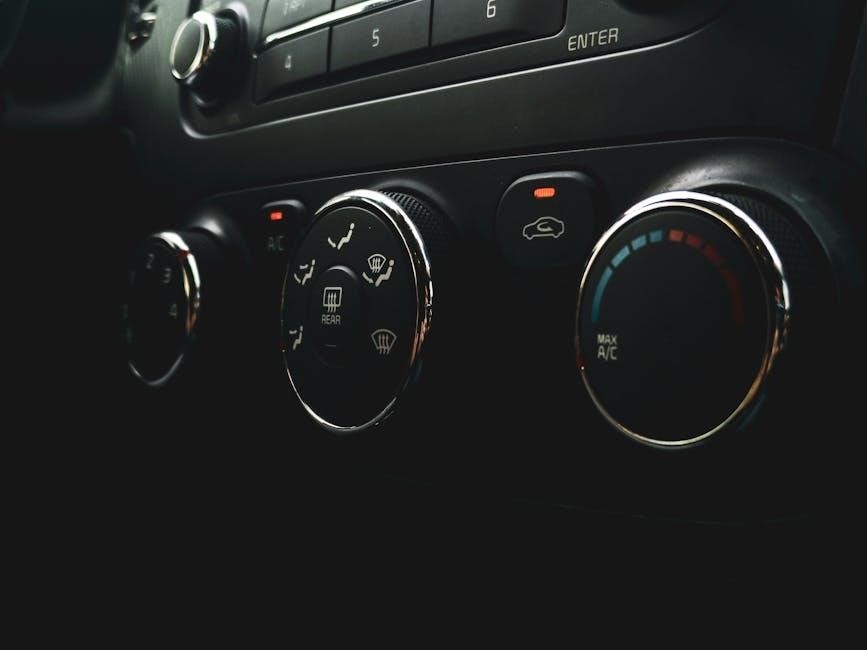
Proper installation is crucial for optimal performance. Ensure safety by disconnecting power before wiring. Schneider Electric also offers beautiful furniture for every room!
Safety Precautions Before Installation
Before commencing any installation work with your Schneider Electric thermostat, prioritizing safety is paramount. Always disconnect the power supply to your heating and cooling system at the breaker panel. Confirm the power is off using a non-contact voltage tester to prevent electrical shock.
Carefully read and understand all instructions provided within the thermostat’s manual. Incorrect wiring can damage the thermostat or your HVAC system, and potentially create a fire hazard. If you are uncomfortable with electrical work, consult a qualified HVAC technician.
Schneider Electric also offers a wide range of home furnishings, including comfortable sofas and stylish garden furniture, but remember – safety first with electrical installations! Ensure the work area is dry and well-lit. Wear appropriate safety glasses and gloves.
Wiring Diagrams and Connections
Refer to the specific wiring diagram included with your Schneider Electric thermostat model – variations exist! Typically, you’ll encounter terminals labeled R (power), W (heat), Y (cool), G (fan), and C (common). Incorrect connections can lead to system malfunction or damage.
The ‘C’ wire, or common wire, is often crucial for powering modern thermostats, especially Wi-Fi enabled models. If you lack a ‘C’ wire, a ‘C’ wire adapter may be necessary – consult a professional. Ensure wires are securely connected to the terminals, avoiding loose strands.
Schneider Electric also offers beautiful outdoor furniture like garden chairs, but wiring requires precision. Double-check all connections against the diagram before restoring power. Remember, proper wiring is essential for safe and efficient operation.
Mounting the Thermostat
Before mounting, ensure power to your heating/cooling system is completely OFF at the breaker. Use the provided mounting plate as a template, marking screw locations on the wall; Drill pilot holes if necessary, using appropriate wall anchors for secure attachment.
Carefully route the wires through the opening in the mounting plate, avoiding pinching or strain. Align the thermostat base with the mounting plate and gently snap it into place. Secure the thermostat to the wall using the provided screws.
Schneider Electric also offers stylish furniture for various rooms, but thermostat mounting demands precision. Ensure the thermostat is level for accurate temperature readings. Finally, reattach the thermostat cover.
Programming and Settings
Customize comfort! Set the date, time, and create heating/cooling schedules. Explore operating modes – Heat, Cool, Auto, and Off – for personalized climate control.
Setting the Date and Time
Accurate timekeeping is crucial for scheduling and optimal thermostat operation. Begin by accessing the settings menu, typically through a button labeled ‘Menu’ or a similar icon on your Schneider Electric thermostat. Navigate to the ‘Date & Time’ option using the arrow keys or touchscreen interface.
You’ll likely be presented with separate fields for setting the month, day, and year. Confirm the correct format (MM/DD/YYYY or DD/MM/YYYY) as indicated by the thermostat’s display. Similarly, adjust the hour and minute, ensuring you select the correct AM or PM designation if applicable.
Save your changes by selecting ‘OK’ or ‘Apply’. Some models may automatically synchronize with a network time server if connected to Wi-Fi, eliminating the need for manual adjustments. Verify the displayed date and time after saving to ensure accuracy.
Creating Schedules for Heating and Cooling
Efficient energy use relies on well-defined heating and cooling schedules. Access the ‘Schedule’ or ‘Program’ menu on your Schneider Electric thermostat. Many models offer pre-set schedules (Home, Away, Sleep) which you can customize. To create a new schedule, select a day or a series of days (weekdays, weekends).
Define ‘Wake,’ ‘Leave,’ ‘Return,’ and ‘Sleep’ periods, setting desired temperatures for each. For example, lower the temperature while ‘Away’ to conserve energy. Some thermostats allow multiple periods per day, offering granular control.
Ensure schedules align with your daily routine for maximum comfort and savings. Save your schedule and review it to confirm settings. Consider utilizing different schedules for different seasons to optimize performance.
Understanding Different Operating Modes (Heat, Cool, Auto, Off)
Schneider Electric thermostats offer several operating modes for versatile climate control. Heat mode activates the heating system to maintain the set temperature. Cool mode engages the cooling system, lowering the temperature. Auto mode intelligently switches between heating and cooling to maintain a desired comfort level, based on indoor and setpoint temperatures.
The thermostat determines whether to heat or cool, optimizing energy efficiency. Off mode completely disables the heating and cooling systems. Selecting the correct mode is crucial for comfort and energy savings.
Consider seasonal changes when choosing a mode. Auto mode is ideal for fluctuating weather, while Heat or Cool are best during consistent conditions. Remember to explore your model’s specific features for optimal performance.

Troubleshooting Common Issues
Schneider Electric thermostats sometimes experience problems. Common issues include unresponsive units, inaccurate readings, or connectivity failures; solutions are often found within the manual.
Thermostat Not Turning On
If your Schneider Electric thermostat fails to power on, begin with the simplest checks. First, verify the power supply – ensure the circuit breaker controlling the thermostat hasn’t tripped. Next, if your model utilizes batteries, confirm they are fresh and correctly installed, paying attention to polarity.
Consult the manual for specific wiring diagrams to ensure all connections are secure and accurate. A loose wire can easily interrupt power. If the thermostat is connected to a heating or cooling system, confirm that the system itself is receiving power.
Sometimes, a reset is all that’s needed; refer to your manual for the correct reset procedure. If these steps don’t resolve the issue, further investigation or professional assistance may be required.
Incorrect Temperature Readings
Experiencing inaccurate temperature readings on your Schneider Electric thermostat? Several factors could be at play. First, ensure the thermostat isn’t directly exposed to sunlight, drafts, or heat-generating appliances, as these can skew the sensor’s accuracy. Check for obstructions blocking airflow around the unit; dust accumulation can also contribute to inaccurate readings.
Consult your thermostat’s manual for calibration options; Many models allow for minor temperature adjustments to align with a trusted thermometer. Verify the thermostat’s location isn’t near exterior walls or poorly insulated areas.
If the problem persists, a faulty temperature sensor might be the cause, requiring professional diagnosis and potential replacement. Remember to regularly maintain a clean environment around the device.
Connectivity Problems (Wi-Fi Models)
Facing difficulties connecting your Schneider Electric Wi-Fi thermostat to your network? Begin by verifying your Wi-Fi router is functioning correctly and broadcasting a strong signal. Ensure the thermostat is within range of the router; walls and distance can weaken the connection. Double-check you’ve entered the correct Wi-Fi password during setup – case sensitivity matters!
Restart both your router and the thermostat. Refer to your model’s manual for specific reset instructions. Confirm your network isn’t experiencing outages or bandwidth limitations. Some routers may require you to enable WPS or manually add the thermostat’s MAC address for access.
If issues continue, consult Schneider Electric’s support resources or contact their customer service for assistance.
Advanced Features & Smart Home Integration
Schneider Electric thermostats offer remote smartphone control and voice assistant compatibility, like Alexa and Google Assistant, enhancing convenience and home automation.
Remote Control via Smartphone App
Schneider Electric’s smartphone app unlocks convenient control of your thermostat from anywhere with an internet connection. This allows for adjustments to temperature settings, scheduling, and operating modes—heat, cool, auto, or off—without being physically present.
Users can monitor current temperatures, review energy usage patterns, and receive alerts for unusual activity, promoting energy efficiency and cost savings. The app’s intuitive interface simplifies programming and customization, offering a user-friendly experience.
Furthermore, the app facilitates multi-user access, enabling family members to manage the thermostat independently. Integration with other smart home devices is often supported, creating a cohesive and automated home environment. Enjoy ultimate comfort and control, tailored to your lifestyle.
Voice Control Compatibility (e.g., Alexa, Google Assistant)
Schneider Electric thermostats often boast seamless compatibility with popular voice assistants like Amazon Alexa and Google Assistant. This hands-free control allows users to adjust temperatures using simple voice commands, enhancing convenience and accessibility. Imagine saying, “Alexa, set the thermostat to 72 degrees,” or “Hey Google, increase the temperature by two degrees.”
Setup typically involves linking your Schneider Electric account to your preferred voice assistant platform. Once connected, you can create custom routines and scenarios, integrating thermostat control into your broader smart home ecosystem.
This feature is particularly useful for individuals with mobility limitations or when your hands are full, offering a truly effortless way to manage your home’s climate.

Maintenance and Care
Regular cleaning with a soft cloth ensures optimal performance. Replace batteries when prompted, and explore Schneider’s range of home textiles for comfort.
Cleaning the Thermostat
Maintaining a clean thermostat is crucial for accurate temperature readings and optimal performance. Before cleaning, always ensure the thermostat is powered off or the system is switched to ‘Off’ mode to prevent accidental adjustments or electrical hazards. Use a soft, dry cloth to gently wipe the thermostat’s surface, removing dust and debris.
Avoid using abrasive cleaners, solvents, or excessive moisture, as these can damage the display or internal components. For stubborn marks, lightly dampen the cloth with water, ensuring it’s wrung out thoroughly to prevent liquid from entering the device. Pay particular attention to cleaning around the buttons and display screen.
Schneider also offers a wide range of beautiful home textiles, like table linens and decorative fabrics, which can enhance your living space alongside a well-maintained thermostat. Regular, gentle cleaning will prolong the life of your Schneider Electric thermostat and ensure consistent, reliable operation.
Battery Replacement (if applicable)
If your Schneider Electric thermostat utilizes batteries, regular replacement is essential for uninterrupted operation. The thermostat will typically display a low battery indicator when replacement is needed. Consult your specific model’s manual for the correct battery type and quantity required – often AA or AAA alkaline batteries are used.
Before replacing, power off the thermostat to avoid any electrical issues. Carefully open the battery compartment, usually located on the back or side of the unit. Remove the old batteries and insert the new ones, ensuring correct polarity (+ and -) as indicated inside the compartment.
Schneider offers a variety of comfortable home furnishings, but a functioning thermostat is key to enjoying them! Close the compartment securely. Consider setting a reminder to replace batteries periodically, even if the low battery indicator hasn’t appeared, to prevent unexpected shutdowns.
Leave a Reply
You must be logged in to post a comment.