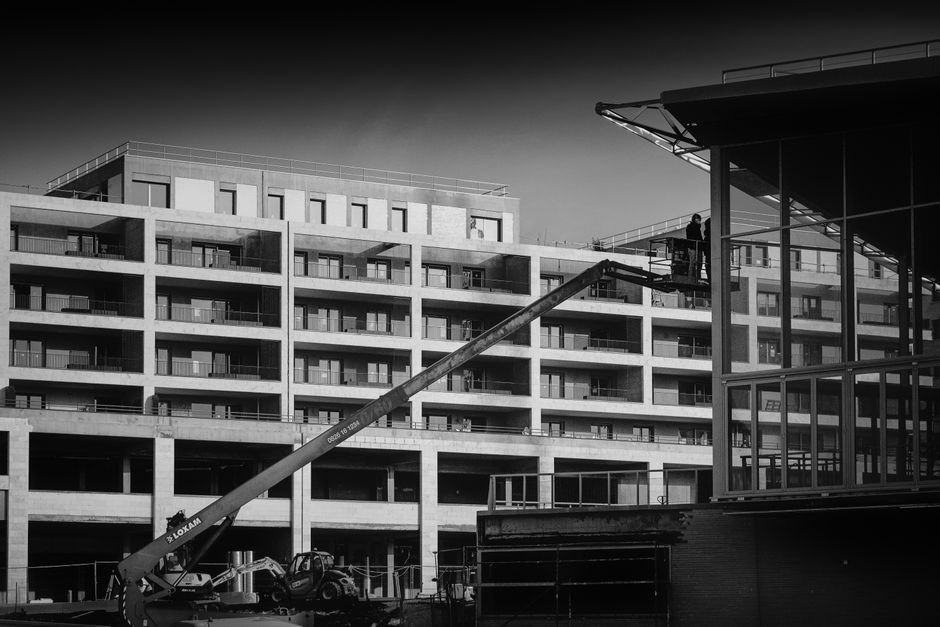
JLG T350 Overview
The JLG T350 is a versatile, lightweight mobile lift designed for indoor and outdoor use. Its compact frame, 350‑lb capacity, and 10‑ft reach make it ideal for maintenance, construction, and warehouse tasks. The manual covers operation, safety, and maintenance in detail. Designed for use site. 26.
Key Features and Capabilities
The JLG T350 manual highlights a suite of features that enable efficient, safe operation across a variety of job sites. Its lightweight aluminum frame, weighing just 350 lb, allows for quick relocation while maintaining structural integrity. The lift’s 10‑foot maximum reach accommodates tasks from low‑to‑mid‑height maintenance to light construction. The 350‑lb payload capacity ensures versatility for tools, equipment, and personnel. The hydraulic system delivers smooth, controlled lift motion, with a dual‑stage pump that provides both rapid and precise positioning. Integrated safety features include a built‑in seat belt, a load‑sensing system that prevents over‑loading, and an automatic emergency stop that halts the lift if a fault is detected. The operator’s console offers intuitive controls, a clear LCD display for load weight and height, and a programmable “quick‑start” function that remembers the last set height. The manual also covers the optional “SmartLift” module, which adds remote monitoring via Bluetooth, allowing supervisors to track lift status and maintenance needs from a mobile device. Overall, the T350’s combination of portability, power, and safety makes it a reliable choice for indoor and outdoor applications. Operators should also consult the daily maintenance schedule to ensure timely inspections and lubrication, as outlined in the service manual. Proper use of safety interlocks will reduce risk and extend the lift’s life.
The JLG T350 is a versatile, lightweight mobile lift designed for indoor and outdoor use. Its compact frame, 350‑lb capacity, and 10‑ft reach make it ideal for maintenance, construction, and warehouse tasks. The manual covers operation, safety, and maintenance in detail. Designed for use site. 26.
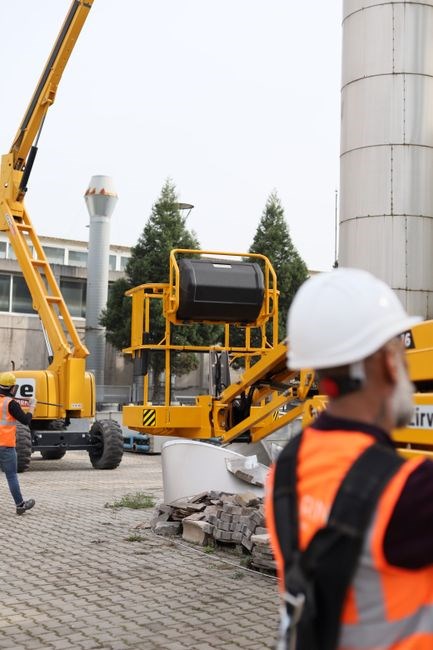
Safety Precautions and Operating Procedures
Check load limits, inspect the platform, and ensure operator certification. Keep area clear, use fall protection, and follow lock‑out/tag‑out. Never exceed 350 lb or 10‑ft reach. Secure on stable ground and verify brakes before use. See manual. Go
Pre-Operation Checks
Before each use, the operator must perform a systematic inspection to verify that the JLG T350 is safe and ready. The checklist includes:
- Verify that the platform is clean, free of debris, and properly secured;
- Confirm the load capacity is not exceeded; the maximum is 350 lb (158 kg).
- Inspect the hydraulic system for leaks, proper fluid levels, and correct pressure readings.
- Check the electrical connections, battery charge, and ensure all warning lights function.
- Test the braking system, both hydraulic and electric, for proper engagement and release.
- Ensure the outriggers are fully deployed, locked, and positioned on stable ground.
- Confirm that the operator’s seat, harness, and safety restraints are correctly fitted.
- Verify that the emergency stop button is accessible and responsive.
- Inspect the platform’s guardrails, handrails, and safety latches for integrity.
- Check the condition of the platform’s wheels, tires, and bearings for wear or damage.
- Confirm that the operator’s certification and training records are current.
Only after all items are verified should the operator proceed to start the machine. Failure to complete these checks can lead to equipment damage or operator injury.
Operators should verify work surface stability, confirm no obstructions within the 10‑ft reach zone, and ensure all safety signage is visible. Checks prevent load shifts during operation.
Operator Certification Requirements
Operators of the JLG T350 must hold a valid certification issued by an accredited training provider or the manufacturer. The certification process includes a written examination that tests knowledge of the lift’s specifications, load charts, and safety procedures, followed by a hands‑on practical assessment where the candidate demonstrates proper platform positioning, load handling, and emergency shutdown techniques. The certification record must be maintained in the operator’s logbook and updated whenever the lift’s configuration changes, such as the installation of a new load‑bearing accessory or a modification to the hydraulic system. Operators are required to complete a refresher course at least every two years to stay current with any changes in regulations, equipment upgrades, or revised operating procedures. In addition, operators must be familiar with the specific model variant they are using, as certain T350 models have different maximum reach heights or load capacities. The certification must also cover the use of personal protective equipment, the correct procedure for securing the platform, and the steps to take when encountering an obstacle or unstable footing. Failure to meet these certification requirements can result in penalties, suspension of operating privileges, or increased liability for the operator and the employer. Therefore, maintaining up‑to‑date certification and training records is essential for safe operation and compliance with industry standards. All certifications must be logged and verified annually safety.
Starting and Stopping Procedures
Before operating the JLG T350, the operator must perform a visual inspection of the lift, ensuring that all safety devices are functional and that the platform is free of debris. The operator should check the hydraulic fluid level, confirm that the battery is charged, and verify that the load chart is accessible. To start the machine, the operator presses the start button located on the control panel while the lift is in the neutral position. The system will perform a self‑check; if any fault codes appear, the operator must resolve the issue before proceeding. Once the self‑check passes, the operator selects the desired platform height using the joystick or the foot‑pedal controller. The lift will ascend until the platform reaches the set height, at which point the operator can secure the load. When stopping, the operator first lowers the platform to the ground level or to a safe height, then presses the stop button. The hydraulic system will engage the brakes, and the lift will come to a complete halt. The operator should then disengage the battery, lock the control panel, and perform a post‑operation inspection to ensure no damage or leaks are present. These procedures help maintain safe operation and prolong the life of the equipment. Before each shift, operators must check that the hydraulic reservoir is at the level, inspect hoses for leaks, ensure the seat is adjusted, and verify the emergency stop button works; only then may the lift be powered on.
Load Handling and Lifting Operations
Before lifting, the operator must verify that the load does not exceed the capacity and that the center of gravity is within the platform’s safe zone. The operator should secure the load ensuring that all fasteners are tightened and that the load is evenly distributed. The lift’s hydraulic system is designed to provide motion; the operator should use the joystick or foot‑pedal controller to raise the platforms, maintaining a speed to avoid sudden jerks. While lifting, the operator must keep the platform level and monitor the load’s balance; if the load shifts, the operator should pause, readjust, and resume. The operator should also keep the platform within the reach of 10 ft and avoid over‑extending the lift. When lowering the load, the operator should descend at a controlled rate, keeping the load stable and preventing it from swinging. The operator must also be aware of the surrounding environment, ensuring that no personnel or equipment is in the lift’s path. After the load is placed, the operator should lock the platform, disengage the hydraulic system, and secure the lift. The operator should perform a post‑operation inspection, checking for any damage, leaks, or loose components. Proper load handling reduces wear on the hydraulic system and extends the lift’s service life. All procedures must be followed in accordance with the JLG T350 manual and company’s safety policies. Failure to comply can result in equipment damage or personal injury.
Maintenance and Service
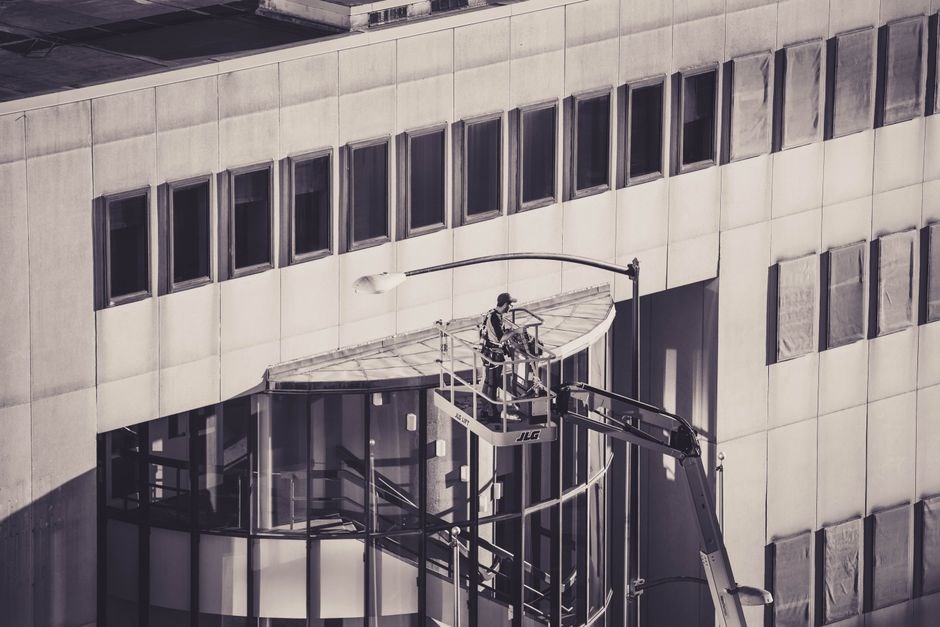
Routine maintenance follows the JLG T350 manual schedule: inspect hydraulic fluid, check tire pressure, examine cables, and clean the platform. Replace worn parts, lubricate moving components, and verify safety devices. Record all actions in the maintenance log.
Routine Maintenance Schedule
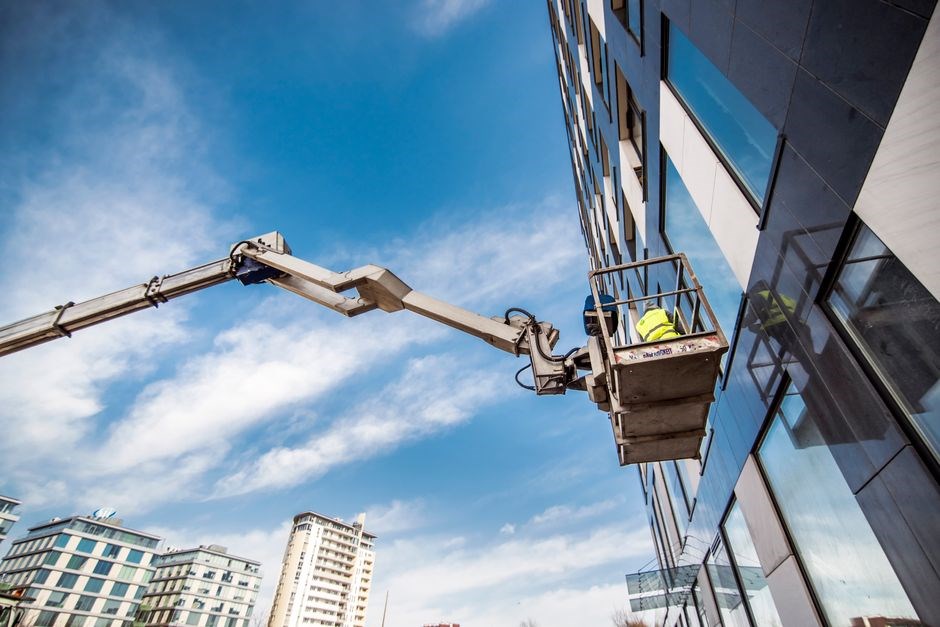
According to the JLG T350 manual, a structured maintenance program ensures safe and reliable operation. Daily checks include visual inspection of the hydraulic system, platform stability, and safety devices. The operator should confirm that the hydraulic fluid level is within the specified range, inspect hoses for leaks, and verify that the emergency stop functions correctly. Any abnormal noise or vibration should be reported immediately.
Weekly tasks involve cleaning the lift, inspecting tires for wear, and checking the condition of the platform rails. Lubricate all pivot points and hydraulic cylinders with the recommended oil. Replace hydraulic fluid every 500 operating hours or 12 months, whichever comes first. Inspect and replace the filter if clogged.
Monthly maintenance requires a full hydraulic system flush, inspection of the pump and motor, and verification of the pressure gauge accuracy. Perform a weight test with a calibrated load to confirm load capacity.
Quarterly servicing includes a comprehensive inspection of the electrical system, battery charge levels, and safety switches. Inspect cable assemblies for fraying or damage and replace as needed. Clean the hydraulic reservoir and check for corrosion.
Annual service is the most thorough. It involves a complete hydraulic overhaul, replacement of all filters, and a detailed inspection of the lift frame for structural integrity. Perform a full load test, verify all safety devices, and update the maintenance log. Replace any worn or damaged parts immediately to maintain compliance with safety standards. Perform a visual inspection of the hydraulic reservoir for contamination, leaks, and ensure the pressure gauge reads correctly. Check for any visible signs of wear or damage to hoses and fittings. Verify all safety switches function properly! Check hoses.
Cleaning and Lubrication
Cleaning and lubrication are critical steps outlined in the JLG T350 manual to ensure reliable operation and longevity of the lift. Operators should begin each shift with a visual inspection of hydraulic reservoir, platform, and frame for cracks, leaks, or foreign material. Clean the reservoir with a soft brush or compressed air, and replace the fluid if it shows contamination or has passed the 500‑hour or 12‑month interval. The manual specifies using the manufacturer‑approved hydraulic oil and filter; change the filter with every fluid replacement. Lubricate all pivot points, hinges, and hydraulic cylinders with a grease that meets JLG specifications. Apply grease to the inner surfaces of joints, ensuring it reaches all moving parts. Inspect hydraulic cylinders for wear and replace any damaged seals. Tires should be inspected for tread wear and inflated to the recommended pressure using a calibrated gauge. The platform rails and safety devices must be lubricated with a silicone‑based spray to maintain smooth operation and reduce wear. Operators should also inspect electrical connections for corrosion, clean with a mild solvent, and apply a protective coating. Maintain a detailed maintenance log that records all cleaning and lubrication activities, fluid changes, and parts replaced. This log aids in tracking the lift’s condition over time and ensures compliance with safety regulations. Be safe
Regular cleaning of the hydraulic lines and the operator’s console prevents contamination and ensures clear. Lubrication of the hydraulic cylinders platform hinges with the specified grease reduces wear and extends component life. Inspect the hydraulic reservoir for leaks, and replace the fluid if it appears cloudy or contains debris. Keep the operator’s seat and controls free of dust and debris to maintain a safe working environment.
Troubleshooting Guide
The Troubleshooting Guide in the JLG T350 manual offers a concise flowchart and diagnostic codes for common faults. It covers power failures, hydraulic leaks, platform mis‑alignment, and safety interlock issues. Follow the steps to isolate and resolve problems quick.
Common Issues and Diagnostics
When the JLG T350 fails to lift, the manual recommends checking the following:
- Power supply: Verify the 120 V outlet, circuit breaker, and fuses. A tripped breaker or blown fuse will stop the lift.
- Hydraulic fluid level: Low fluid causes the platform to stall. Top up with the specified oil and check for leaks.
- Safety interlock: The platform lock must engage; If the interlock switch fails, the lift will not operate.
- Control panel: Faulty indicator lights or error codes (e.g., 01‑05) point to specific component failures.
- Platform tilt sensor: A mis‑aligned sensor can prevent the lift from leveling.
- Brake system: Hydraulic or electric brakes must be fully engaged. A stuck brake can cause a loss of control.
- Electrical wiring: Inspect for frayed or disconnected wires that could interrupt signal flow.
Diagnostic steps include:
- Read the error code from the display panel.
- Consult the troubleshooting flowchart in Appendix B.
- Perform a visual inspection of the hydraulic lines, brakes, and safety interlocks.
- Test the control switches with a multimeter.
- Check fluid levels and replace filters as needed.
- Reset the system by cycling the power.
Follow the manual’s step‑by‑step procedures to isolate the fault and determine whether a component replacement or a service call is required.
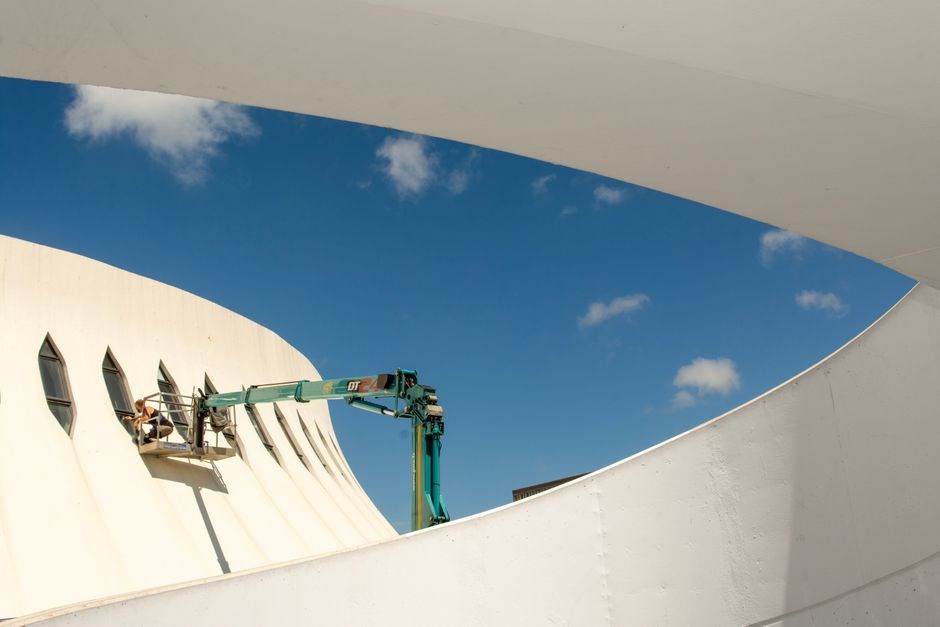
For detailed component diagrams, refer to Appendix C of the service manual.
JLG support helps!!..
Repair Workflow and Parts Replacement
When a fault is identified, the repair workflow follows a structured sequence to ensure safety and accuracy. First, the operator must power down the lift, disconnect the main supply, and secure the platform. Next, the diagnostic code is read from the control panel and cross‑referenced with the troubleshooting flowchart in Appendix B. Once the specific component is isolated—such as the hydraulic pump, safety interlock, or brake assembly— the manual provides a step‑by‑step disassembly guide. For example, removing the hydraulic pump requires loosening the mounting bolts, draining the fluid, and carefully lifting the unit with a jack. Replacement parts are listed in Appendix C with part numbers, OEM identifiers, and recommended suppliers. After installing the new component, the operator must re‑install all fasteners, refill hydraulic fluid to the specified level, and perform a leak test. The lift is then re‑energized, and the control panel reset. Finally, a functional test is conducted: the platform is raised to full height, lowered, and the safety interlock is verified. Documentation of the repair, including part numbers and hours logged, should be recorded in the maintenance logbook for future reference. This workflow ensures that each repair is performed consistently, reducing downtime and maintaining compliance with JLG safety standards. All repair actions must be logged, part replacements verified against the OEM list to ensure warranty compliance.
Leave a Reply
You must be logged in to post a comment.