
Birkat Hamazon Ashkenaz PDF: A Comprehensive Guide
Mt. San Antonio College offers resources and programs, including potential connections to manufacturing associations. The Mt. SAC Relays, a track and field event,
are held annually. Accessing a Birkat Hamazon Ashkenaz PDF provides a structured prayer guide for post-meal blessings.
What is Birkat Hamazon?
Birkat Hamazon, literally “the blessing after the meal,” is a set of prayers recited in Judaism after consuming a meal containing bread. It’s a mitzvah, a commandment, and considered a fundamental expression of gratitude to God for sustenance. The prayer isn’t merely a formality; it’s a deeply spiritual practice acknowledging the Divine source of nourishment.
Historically, reciting Birkat Hamazon was a communal activity, fostering unity and shared thankfulness. While individual recitation is common, gathering a minyan (a quorum of ten Jewish adults) enhances the experience. The structure of the prayer is relatively fixed, though variations exist between different Jewish traditions, notably Ashkenazi, Sephardi, and others.
The availability of Birkat Hamazon Ashkenaz PDF resources reflects the desire for accessible and accurate texts. These PDFs often include the Hebrew text alongside transliterations and English translations, aiding those less familiar with Hebrew. Resources from institutions like Mt. San Antonio College, while not directly related to religious texts, demonstrate a commitment to providing accessible information, mirroring the intent behind these prayer PDFs.

The Significance of the Ashkenazi Tradition
The Ashkenazi tradition in Birkat Hamazon, stemming from Jewish communities of Central and Eastern Europe, possesses unique nuances in its wording and melodies. These differences aren’t arbitrary; they represent a rich liturgical history shaped by centuries of communal practice and rabbinic interpretation. The specific phrasing and order of blessings reflect a particular theological emphasis.
Accessing a Birkat Hamazon Ashkenaz PDF allows individuals to connect with this heritage. These PDFs often preserve the traditional text, ensuring continuity across generations. The availability of transliterations and translations is particularly valuable for those learning the prayers or with limited Hebrew proficiency.
Like the dedication to educational resources seen at institutions such as Mt. San Antonio College, providing accessible Birkat Hamazon texts demonstrates a commitment to preserving and sharing Jewish tradition. The Mt. SAC Relays, a cultural event, parallels the importance of maintaining cultural and religious practices. The tradition emphasizes gratitude and acknowledges God’s continuous provision, a central tenet of Jewish faith.
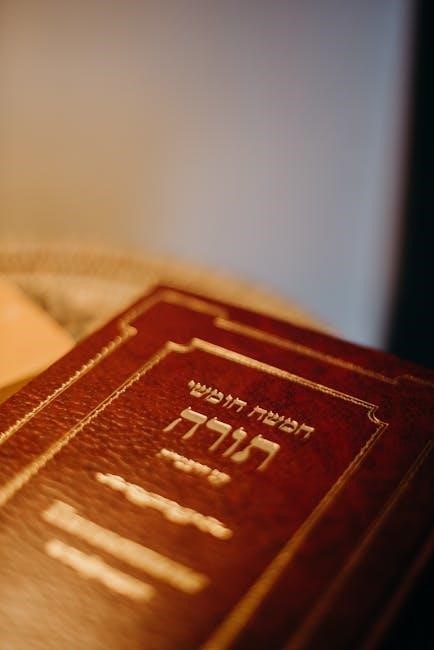
Understanding the Structure of Birkat Hamazon
Birkat Hamazon, the grace after meals, isn’t a single, monolithic prayer. It’s a carefully constructed series of blessings, each serving a distinct purpose. A Birkat Hamazon Ashkenaz PDF visually represents this structure, typically presenting the four core blessings sequentially. Understanding this arrangement is key to meaningful recitation.
The structure reflects a progression from immediate gratitude for the food itself, to broader acknowledgements of God’s kindness and blessings. Just as Mt. San Antonio College offers structured programs – like those with Three Rivers Manufacturing Association – Birkat Hamazon follows a defined order.

A typical Ashkenazi PDF will delineate each blessing with clear headings. The inclusion of Mt. SAC Relays demonstrates organized events, mirroring the organized structure of the prayer. These PDFs often include the concluding Hareini prayer, expressing a commitment to future observance. Familiarity with this structure enhances appreciation for the prayer’s depth and intention.
The Four Blessings Explained
A Birkat Hamazon Ashkenaz PDF clearly outlines the four central blessings. The first, Mechatzin, expresses gratitude for the food itself, acknowledging God as the source of nourishment. The second, Nodeh Lecha, thanks God for the Land of Israel and its bounty, a theme echoing the importance of place, much like Mt. San Antonio College’s location in Walnut, California.
The third blessing, Retzei, is a plea for Jerusalem’s rebuilding and the restoration of God’s presence. The final blessing, Hodu LaShem, is a general expression of thanks for God’s kindness and continued blessings. Like the structured events at the Mt. SAC Relays, each blessing has a specific focus.
PDF versions often include explanatory notes, enhancing understanding. These notes, alongside transliterations, make the prayer accessible. Just as a workshop on CSULB applications provides clarity, a well-formatted PDF illuminates the meaning behind each blessing, fostering a deeper connection to the prayer’s intent.
The First Blessing: After Meals
The initial blessing, Mechatzin, within a Birkat Hamazon Ashkenaz PDF, directly follows a meal. It begins with a phrase acknowledging God’s sustenance, recognizing the divine provision of food. This blessing isn’t merely rote recitation; it’s a mindful expression of gratitude, similar to acknowledging the support offered by institutions like Mt. San Antonio College to its students.
A typical PDF will present the Hebrew text alongside transliteration and English translation, aiding comprehension. The blessing specifically references the covenant with Israel, linking nourishment to a historical and spiritual context. Like the detailed schedules for events such as the Mt. SAC Relays, the structure is precise.
It’s a foundational element, setting the tone for the subsequent blessings. Understanding Mechatzin requires appreciating its historical roots and theological significance. Resources, like those available through manufacturing associations (Three Rivers Manufacturing Association), offer focused knowledge – similarly, a PDF provides focused prayer text.
The Second Blessing: Gratitude for the Land
The second blessing, Birkat Ha’aretz, within a Birkat Hamazon Ashkenaz PDF, expresses profound thankfulness for the Land of Israel and its bounty. It acknowledges God’s promise to the ancestors and the fulfillment of that promise through the land’s fertility. This section, often presented with Hebrew text, transliteration, and English translation in a PDF, emphasizes a deep connection between the Jewish people and their ancestral homeland.

Similar to how Mt. San Antonio College provides a nurturing environment for student growth, this blessing highlights the land as a source of sustenance and spiritual well-being. The phrasing often includes specific references to the seven species – wheat, barley, grapes, figs, pomegranates, olives, and dates – symbolizing the land’s abundance.
A well-formatted PDF will clearly delineate this blessing, allowing for focused study and recitation. Just as schedules for events like the Mt. SAC Relays are meticulously planned, this blessing follows a structured format, reinforcing its importance within the broader Birkat Hamazon framework.
The Third Blessing: Prayer for Jerusalem
The third blessing, Birkat Yerushalayim, found within a Birkat Hamazon Ashkenaz PDF, shifts the focus from gratitude for sustenance to a heartfelt plea for the rebuilding of Jerusalem and the restoration of God’s presence within it. This section, often containing both Hebrew and English, expresses a longing for peace and divine compassion for the city and its inhabitants.
Much like the detailed schedules for events such as the Mt. SAC Relays, this blessing follows a specific liturgical structure. It frequently includes petitions for the ingathering of exiles and the establishment of a righteous government. The prayer acknowledges Jerusalem’s central role in Jewish faith and history.

A comprehensive Birkat Hamazon Ashkenaz PDF will present this blessing with clarity, aiding in proper recitation and understanding. Similar to how Mt. San Antonio College offers diverse programs, this blessing encompasses a broad range of hopes and aspirations for the future of Jerusalem and the Jewish people. It’s a powerful expression of faith and enduring connection to the Holy City.

The Fourth Blessing: Acknowledging God’s Kindness
The final blessing, Birkat Hatodah, within a Birkat Hamazon Ashkenaz PDF, is a comprehensive expression of gratitude for all of God’s kindness, extending beyond the meal itself. It acknowledges divine beneficence in all aspects of life – health, sustenance, and national redemption. This blessing serves as a culminating statement of thankfulness, solidifying the purpose of reciting Birkat Hamazon.
Just as Mt. San Antonio College provides student support services, this blessing offers spiritual nourishment. It often includes specific requests for God’s continued favor and protection, mirroring the detailed planning involved in events like the Mt. SAC Relays. The phrasing emphasizes God’s unwavering commitment to His people.
A well-formatted Birkat Hamazon Ashkenaz PDF will clearly delineate this blessing, often including variations in wording based on different nusach traditions. It’s a powerful reminder to appreciate the constant flow of divine blessings, much like recognizing opportunities through programs like those at Three Rivers Manufacturing Association.
Variations Within the Ashkenazi Tradition
Even within the Ashkenazi tradition, a Birkat Hamazon Ashkenaz PDF reveals nuanced variations in wording and custom. These differences, known as nusach, stem from distinct communal origins and rabbinic interpretations. Some communities may include additional poetic insertions or slightly altered phrasing within the core four blessings.
Similar to how championship brackets, like the State Championship Bracket (VISALIA), can have slight adjustments, these liturgical variations aren’t contradictions but enrichments. A comprehensive Birkat Hamazon Ashkenaz PDF might present multiple versions, allowing individuals to connect with their ancestral practice.
These variations can also relate to specific holidays or occasions. Just as Mt. San Antonio College offers diverse programs, the prayer reflects communal diversity. Finding a PDF that acknowledges these differences is crucial for accurate recitation. Understanding these subtleties enhances appreciation for the richness of Jewish tradition, mirroring the detailed organization of events like the Mt. SAC Relays.
Differences in Nusach (Liturgical Tradition)
Nusach, the liturgical tradition, significantly impacts a Birkat Hamazon Ashkenaz PDF’s appearance. Different Ashkenazi communities – Lithuanian, Polish, German – possess distinct melodic and textual nuances within Birkat Hamazon. These aren’t errors, but established customs passed down through generations, much like the historical dynasty of Mt. San Antonio College’s championship runs.
A PDF sourced from a Chabad publication will differ from one originating in a Conservative synagogue, reflecting their respective nusach. These variations extend to the precise wording of phrases, the inclusion of specific verses, and even the melodic patterns traditionally used during recitation.
Just as a 3C2A Womens bracket details specific team matchups, a detailed Birkat Hamazon Ashkenaz PDF should ideally indicate its originating nusach. This transparency allows individuals to align with their family’s or community’s established practice. Recognizing these differences fosters a deeper understanding and appreciation for the breadth of Ashkenazi Jewish heritage, similar to appreciating the diverse offerings at Mt. SAC.
Finding a Birkat Hamazon Ashkenaz PDF
Locating a Birkat Hamazon Ashkenaz PDF requires navigating various online resources. A simple web search using keywords like “Ashkenazi Birkat Hamazon PDF” yields numerous results, mirroring the accessibility of information regarding events like the Mt. SAC Relays or CSULB application workshops.
However, discerning reliable sources is crucial. Websites affiliated with established synagogues, Jewish organizations, or reputable publishers are generally preferred. Be cautious of PDFs from unknown origins, as textual inaccuracies can occur. Consider exploring sites offering resources for Jewish prayer and practice, similar to finding schedules for preliminary track and field meets.
Many communities now provide digital siddurim (prayer books) that include Birkat Hamazon in PDF format. Checking the website of a local Ashkenazi synagogue is a good starting point. Remember, just as Mt. San Antonio College offers diverse programs, various PDFs cater to different nusach traditions, so identifying your preferred version is key.
Reliable Sources for PDF Texts
When seeking a Birkat Hamazon Ashkenaz PDF, prioritize established Jewish institutions. Websites like Sefaria (sefaria.org) offer meticulously vetted texts, including Birkat Hamazon in various traditions, akin to accessing official schedules for events like the Mt. SAC Relays.
Major Orthodox movements – such as the Orthodox Union (ou.org) – frequently provide downloadable siddurim containing the blessings. Similarly, Conservative Judaism’s official publications are trustworthy sources. These organizations maintain rigorous standards for textual accuracy, unlike potentially unreliable sources found through general web searches.
Reputable Jewish bookstores online, such as those affiliated with well-known synagogues or publishing houses, often offer PDFs as supplementary materials. Just as Mt. San Antonio College provides course materials, these sources ensure authenticity. Always cross-reference with a known, reliable printed siddur to verify the text, especially concerning nuanced liturgical variations.
Common PDF Features & Translations
Most Birkat Hamazon Ashkenaz PDF documents include both the Hebrew text and an English translation, often side-by-side for ease of following along. Many PDFs also feature transliteration – a phonetic rendering of the Hebrew – aiding pronunciation for those less familiar with the language, similar to understanding schedules for events like the Mt. SAC Relays.

Searchable PDFs are incredibly useful, allowing users to quickly locate specific blessings or phrases. Some advanced PDFs offer interactive features, like clickable links to explanatory notes or commentaries. Like resources offered by Mt. San Antonio College, these features enhance learning.
Variations in translation style exist. Some PDFs prioritize literal accuracy, while others aim for a more fluid, readable English rendering. Pay attention to the translator’s background and reputation. PDFs may also include annotations regarding nusach (liturgical tradition) differences, reflecting the diverse practices within Ashkenazi Judaism. Careful review ensures proper recitation.
Understanding the Hebrew Text
The Birkat Hamazon is traditionally recited in Hebrew, even within the Ashkenazi tradition. A Birkat Hamazon Ashkenaz PDF often presents the original Hebrew text alongside translations and transliterations, crucial for proper understanding. Familiarity with the Hebrew alphabet and basic vocabulary enhances the experience, much like understanding schedules for events like the Mt. SAC Relays requires deciphering information.
Key Hebrew terms relate to gratitude (hoda’ah) and blessing (bracha). Recognizing these root words unlocks deeper meaning. The structure follows a poetic form, utilizing specific phrases and verses from the Tanakh (Hebrew Bible). Resources from institutions like Mt. San Antonio College can sometimes offer linguistic support.
Variations in Hebrew pronunciation exist between different Ashkenazi communities. A PDF might indicate preferred pronunciations based on a specific nusach. Studying the Hebrew text fosters a connection to Jewish heritage and tradition, enriching the spiritual practice beyond a simple recitation of translated words.
Transliteration and English Translations
A valuable feature of a Birkat Hamazon Ashkenaz PDF is the inclusion of transliteration. This converts the Hebrew text into Roman characters, aiding those unfamiliar with the Hebrew alphabet. It’s similar to understanding schedules – like those for the Mt. SAC Relays – requiring clear presentation of information.
English translations are equally vital, providing meaning for each blessing and phrase. PDFs often offer multiple translation options, reflecting nuances in interpretation. Some resources, potentially found through Mt; San Antonio College’s library, may offer commentary alongside the translations, enriching understanding.
Transliteration isn’t standardized; variations exist. A good PDF will indicate the transliteration system used. Translations range from literal to more interpretive, aiming for both accuracy and poetic flow. Utilizing both transliteration and translation allows for a more meaningful and accessible recitation of Birkat Hamazon, bridging language barriers and fostering spiritual connection.
Printing and Usage Considerations
When utilizing a Birkat Hamazon Ashkenaz PDF, printing quality matters. Ensure text is legible, especially for communal recitation. Consider paper stock – thicker paper enhances durability, mirroring the lasting impact of traditions like the Mt. SAC Relays. A well-printed copy is respectful and practical.
Digital usage offers convenience. PDFs are easily accessible on tablets or phones, suitable for travel. However, be mindful of distractions. A physical copy encourages focused intention. Like registering for a CSULB workshop, preparation enhances the experience.
Respectful handling is crucial. Avoid folding or marking the text unnecessarily. If using a shared copy, maintain its cleanliness. Consider laminating for increased durability. Remember, Birkat Hamazon is a sacred practice; treat the PDF – and its content – with reverence, similar to the dedication shown at Mt. San Antonio College events.
Proper Etiquette When Reciting Birkat Hamazon
Reciting Birkat Hamazon, even with a PDF version, demands respectful attention. Stand upright, demonstrating reverence for the blessing. Avoid interrupting others or engaging in side conversations, much like maintaining focus during a CSULB application workshop.
Traditionally, it’s recited communally after a meal with at least three people. If leading, pronounce the Hebrew clearly and deliberately. Follow the established nusach (liturgical tradition) of the Ashkenazi community. A clear recitation, similar to the precision of events at the Mt. SAC Relays, honors the prayer.
Maintain a modest demeanor. Avoid eating or drinking during the blessing. If using a PDF, ensure it doesn’t distract from the spiritual experience. Like the structured programs at Mt. San Antonio College, Birkat Hamazon benefits from mindful adherence to established customs. Show gratitude and sincerity throughout the recitation.
Resources for Learning More
Delving deeper into Birkat Hamazon Ashkenaz requires exploring various resources. Online platforms offer downloadable PDF texts, often with transliterations and English translations, aiding comprehension. Websites dedicated to Jewish law and practice provide detailed explanations of the blessings’ meanings and proper recitation.
Community synagogues frequently host classes and study groups focused on Jewish liturgy, including Birkat Hamazon. These offer personalized guidance and opportunities for communal learning, much like workshops at CSULB. Consider consulting with a knowledgeable rabbi or cantor for clarification on specific nuances.
Resources related to Mt. San Antonio College, while not directly about the prayer, demonstrate the value of structured learning. Explore Jewish bookstores and online retailers for comprehensive prayer books and commentaries. Remember, consistent study and practice, similar to training for the Mt. SAC Relays, deepen understanding and appreciation.
Leave a Reply
You must be logged in to post a comment.