
Pant Break Guide: A Comprehensive Overview (Updated 01/01/2026)
Pant break determines how much pant leg hangs over shoes‚ customizable through tailoring for chinos‚ denim‚ and dress pants; the ideal break depends on fabric and body type.
What is Pant Break?
Pant break‚ in the realm of menswear‚ fundamentally refers to the amount of fabric fold or the absence of folds created when your trouser leg rests upon your shoe. It’s essentially the visible drape of the pant leg over your footwear. This isn’t merely an aesthetic detail; it’s a crucial element of overall fit and proportion.
Understanding pant break involves recognizing that it’s adjustable – thanks to the art of tailoring‚ you can request a specific break on nearly any pair of pants‚ be it chinos‚ denim‚ or formal dress pants. The break isn’t about length alone; it’s about how that length interacts with your shoes and creates a visual line. A properly executed break elevates the entire look‚ while a poorly judged one can disrupt the silhouette and appear sloppy. It’s the subtle nuance that separates a well-dressed individual from one who isn’t paying attention to detail.
Why Pant Break Matters for Fit
Pant break significantly impacts the overall fit and visual balance of your outfit. A correct break creates a clean‚ intentional line‚ enhancing your proportions and making you appear more polished. Conversely‚ an incorrect break can lead to a “wack looking fit‚” disrupting the silhouette and making your outfit appear unbalanced or even sloppy.
The right break isn’t just about aesthetics; it influences how your body appears. Too much break can make legs look shorter‚ while too little can create an awkward‚ cropped effect. Achieving the right balance ensures your pants complement your body type and shoe style. Ignoring pant break can negate the benefits of well-tailored clothing‚ diminishing the overall impact of your ensemble. It’s a detail that demonstrates attention to fit and a commitment to a refined appearance‚ avoiding exposed socks looking awkward.
Factors Influencing Your Ideal Pant Break
Several key factors determine the most flattering pant break for you. Fabric weight and drape are crucial; heavier fabrics generally require more break to balance their structure‚ while lighter fabrics suit a cleaner‚ minimal break. Your body type and proportions also play a role – taller individuals can often pull off less break‚ while shorter individuals might benefit from a more substantial break to elongate the legs.
Finally‚ shoe style is paramount. Bulkier shoes‚ like boots‚ often pair well with a fuller break‚ creating a balanced look. Sleeker shoes‚ such as loafers or dress shoes‚ typically look best with a minimal or no break. Considering these elements collectively ensures a harmonious and proportionate outfit‚ avoiding fit issues and maximizing your style potential. Experimentation is key to finding what works best for your unique build and preferences.
Fabric Weight and Drape
The fabric weight and drape significantly impact the appropriate pant break. Heavier fabrics‚ like thick wools or durable cottons‚ possess more inherent structure and volume. These materials generally necessitate a fuller break – a half or even full break – to allow the fabric to fall naturally and avoid a constricted appearance. The weight demands more fabric to create balanced folds.
Conversely‚ lighter-weight fabrics‚ such as linen‚ lightweight chinos‚ or finer wools‚ exhibit a softer drape. These materials often look best with a minimal break‚ like a quarter break or even a clean (no) break. A lighter fabric doesn’t require as much folding to look intentional; too much break can overwhelm the fabric’s delicate flow. Consider how the fabric moves when choosing your break.
Body Type and Proportions
Your body type and proportions play a crucial role in determining a flattering pant break. Taller individuals can often pull off a more substantial break – a half or full break – without appearing overwhelmed‚ as they have the height to balance the added fabric. Shorter individuals may benefit from a cleaner‚ more streamlined look achieved with a quarter or no break‚ visually lengthening the legs.
Consider your leg length relative to your torso. If you have longer legs and a shorter torso‚ a slightly fuller break can help balance your proportions. Conversely‚ if you have shorter legs and a longer torso‚ minimizing the break can create the illusion of longer legs. Ultimately‚ the goal is to create a harmonious silhouette that complements your unique physique and avoids looking disproportionate.
Shoe Style
The shoe style you frequently wear significantly impacts the appropriate pant break. More formal footwear‚ such as dress shoes (Oxfords‚ Derbies)‚ generally pairs well with a classic full or half break‚ showcasing a traditional and polished aesthetic. The added fabric drapes nicely over the shoe’s lines.
Conversely‚ more casual shoes – sneakers‚ loafers‚ or boots – often look best with a quarter or no break. This creates a modern‚ streamlined silhouette. Bulky shoes‚ like some work boots‚ might necessitate a slightly more generous break to avoid a constricted appearance. Consider the shoe’s profile; a higher-cut shoe may benefit from a bit more break to balance the visual weight. Matching the break to the shoe’s formality ensures a cohesive and stylish outfit.

Types of Pant Breaks
Trouser breaks range from full folds around the leg to no break at all‚ influencing the overall aesthetic; each type offers a distinct style and fit.
Full Break
A full break is characterized by a prominent fold that extends fully around the pant leg‚ creating a noticeable cascade of fabric over the shoe. This style traditionally offers a more classic and formal appearance‚ often favored in conservative business settings or by those preferring a timeless aesthetic.
The substantial fabric pooling creates a relaxed and comfortable feel‚ though it can sometimes appear slightly dated or less streamlined. Full breaks work well with wider-legged trousers and heavier fabrics‚ providing necessary weight and drape. However‚ it’s crucial to ensure the length isn’t excessive‚ preventing a sloppy or unkempt look.
While offering a traditional look‚ a full break isn’t universally flattering and may not be ideal for all body types or shoe styles. It’s best suited for individuals seeking a more established and conventional style.
Half Break
The half break strikes a balance between a classic and modern aesthetic‚ featuring a visible but moderate fold in the pant leg. This break sits approximately halfway between the shoe’s top and the bottom of the hem‚ creating a clean and refined appearance without being overly dramatic. It’s a versatile option suitable for both formal and casual occasions.
A half break works well with a variety of pant styles and fabrics‚ offering a universally flattering silhouette. It provides enough coverage to maintain a polished look while still showcasing the shoes. This break is considered a safe and stylish choice for most body types and personal preferences.
It’s a popular choice for those seeking a sophisticated yet approachable style‚ offering a timeless appeal that doesn’t feel overly trendy or restrictive.
Quarter Break
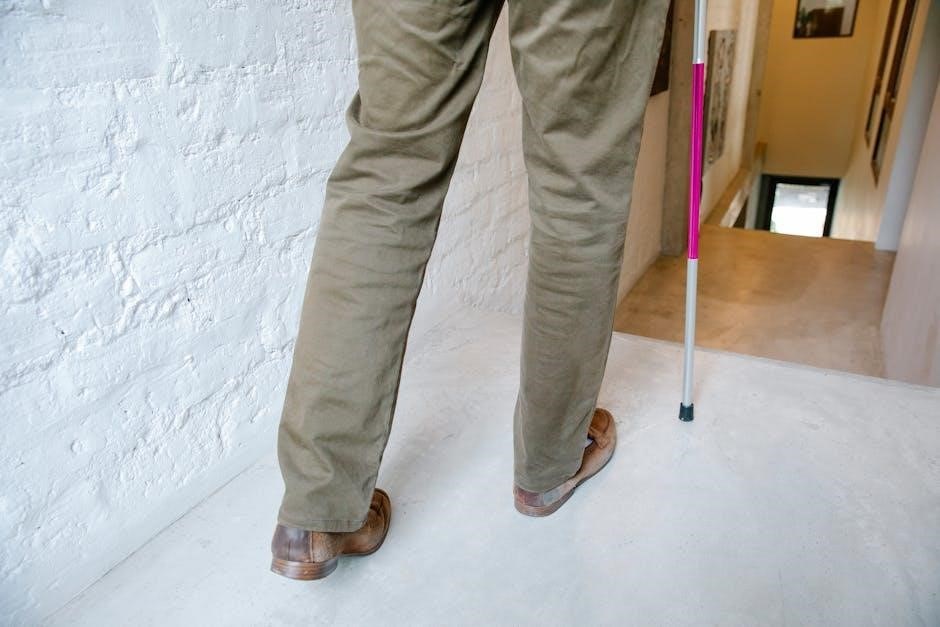
The quarter break represents a more modern and streamlined silhouette‚ offering a subtle hint of a fold in the pant leg. This break is less pronounced than a half break‚ with the hem lightly touching the top of the shoe – approximately a quarter of the way around. It’s favored by those seeking a contemporary and fashion-forward look.
A quarter break works exceptionally well with slimmer-fit trousers and more structured fabrics. It creates a clean line and elongates the leg‚ making it a great choice for those wanting a polished yet understated style. It’s particularly popular with those who prefer to showcase their footwear.
This break offers a sophisticated edge‚ appealing to individuals who appreciate a modern aesthetic without sacrificing classic tailoring principles.
No Break (Clean Break)
The no break‚ also known as a clean break‚ is the most contemporary and minimalist option. Here‚ the pant hem rests directly on top of the shoe‚ with no visible folds or bunching whatsoever. This creates a very sleek and modern silhouette‚ favored by those embracing current fashion trends.
Achieving a perfect no break requires precise tailoring‚ as the length must be exact. It’s best suited for slimmer-fit pants and often paired with more stylish or statement footwear‚ as the shoes are fully on display. This style is popular with fashion-conscious individuals.
While stylish‚ a no break can sometimes appear too short if not executed correctly. It demands confidence and a keen eye for proportion‚ offering a distinctly modern aesthetic.

Applying Pant Break to Different Pant Styles
Tailoring allows break customization across pant styles; dress pants prioritize formality‚ chinos offer versatility‚ and jeans often favor minimal or no break for a modern look.
Dress Pants & Tailoring
With dress pants‚ the pant break is intrinsically linked to tailoring and formality. A full break‚ showcasing a prominent fold around the shoe‚ traditionally conveys a classic‚ conservative aesthetic – ideal for more formal occasions and business settings. However‚ modern preferences often lean towards a half break‚ offering a balanced and refined appearance.
The quarter break presents a subtle crease‚ suitable for contemporary business casual looks. For a sleek‚ fashion-forward style‚ a no break (clean break)‚ where the pants barely touch the shoe‚ is increasingly popular‚ especially with slimmer-fit trousers.
Professional tailoring is crucial for achieving the desired break; a skilled tailor will consider the pant’s fabric‚ your height‚ and shoe style. Remember‚ the goal is a clean‚ intentional look‚ avoiding a sloppy or overly short appearance. Precise tailoring elevates the overall sophistication of dress pants.
Chinos and Casual Trousers
For chinos and casual trousers‚ the rules surrounding pant break are considerably more relaxed than with formal dress pants. A half break is a versatile choice‚ offering a comfortable and stylish look suitable for everyday wear. It strikes a balance between classic and contemporary aesthetics‚ pairing well with various shoe styles.
A quarter break can create a more modern‚ streamlined silhouette‚ particularly effective with slimmer-fitting chinos. Many opt for a no break or clean break‚ especially with tapered chinos and loafers or sneakers‚ achieving a clean‚ minimalist aesthetic.
Unlike dress pants‚ a slight imperfection in break isn’t as critical with chinos. However‚ avoid excessive fabric bunching. Tailoring can refine the break‚ but a more casual approach is generally acceptable‚ prioritizing comfort and personal style.
Jeans – A Different Approach
The concept of pant break applies differently to jeans; strict adherence to traditional break rules isn’t necessary. Many modern styles intentionally avoid a pronounced break‚ favoring a cleaner look. A slight stack‚ where the jeans gently rest on the shoes without significant folding‚ is common and often preferred.
Experimentation is key with jeans. Some prefer a no break or clean break‚ particularly with slim or skinny jeans‚ creating a sleek‚ contemporary silhouette. Others might opt for a minimal quarter break‚ allowing for slight movement and a relaxed feel.
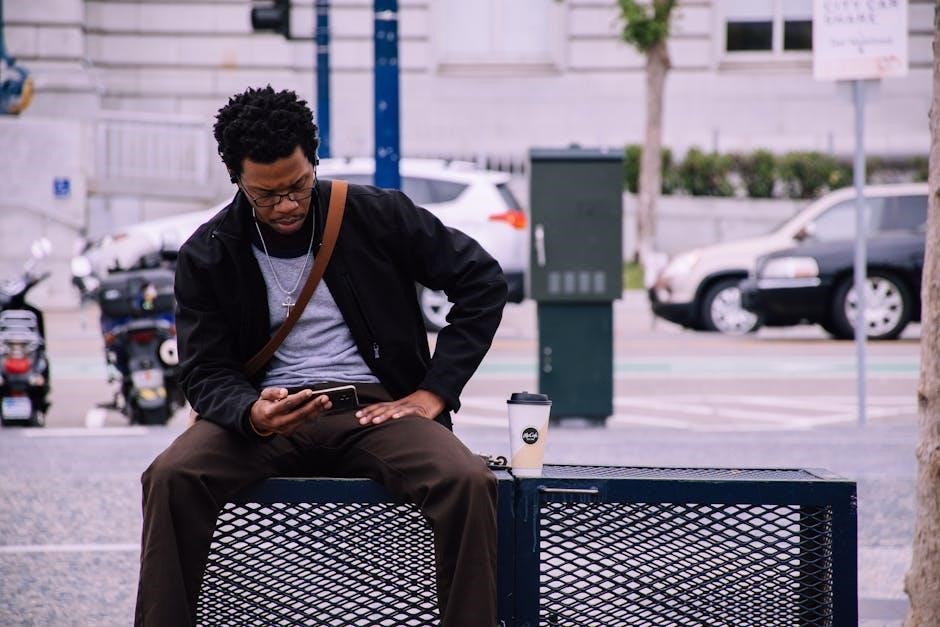
Avoid excessive stacking‚ as it can appear sloppy. The goal is a comfortable‚ stylish fit that complements the jean’s wash and cut. Ultimately‚ personal preference dictates the ideal break for jeans‚ diverging from the formality of tailored trousers.

How to Determine Your Correct Pant Break
Determining the correct break involves the heel test and professional tailoring recommendations‚ ensuring pants complement your shoes and body without looking awkward or ill-fitting.
The Heel Test
The heel test is a simple‚ at-home method for gauging your pant break. Begin by putting on the shoes you intend to wear with the trousers in question – this is crucial for accuracy. Stand naturally‚ allowing your legs to hang relaxed. Observe where the pant leg falls in relation to your heel.
Ideally‚ the hem should just touch the top of your shoe‚ creating a minimal or no break. If the fabric bunches significantly‚ you have too much break. Conversely‚ if there’s a noticeable gap between the hem and the shoe‚ a shorter length‚ or more break‚ is needed.
Remember‚ this is a starting point. Personal preference plays a role‚ and the test is most effective when combined with a professional tailoring assessment. It’s about achieving a clean‚ proportional silhouette that enhances your overall appearance‚ avoiding a “wack looking fit” as some might describe it.
Professional Tailoring Recommendations
While the heel test offers a quick assessment‚ a skilled tailor provides the most accurate pant break adjustment. They consider your body proportions‚ the fabric’s drape‚ and your preferred style to deliver a truly customized fit. Don’t hesitate to communicate your desired aesthetic – whether you lean towards a modern‚ no-break look or a more traditional full break.
A tailor will assess how the pants move when you walk and sit‚ ensuring comfort and a flattering silhouette. They can advise on whether a slight adjustment is all that’s needed‚ or if a more substantial alteration is required.
Investing in professional tailoring elevates even affordable trousers‚ transforming them into garments that appear significantly more expensive and well-fitted. It’s a worthwhile investment for a polished and refined appearance‚ avoiding regrettable experiments with pricey pants.
Leave a Reply
You must be logged in to post a comment.